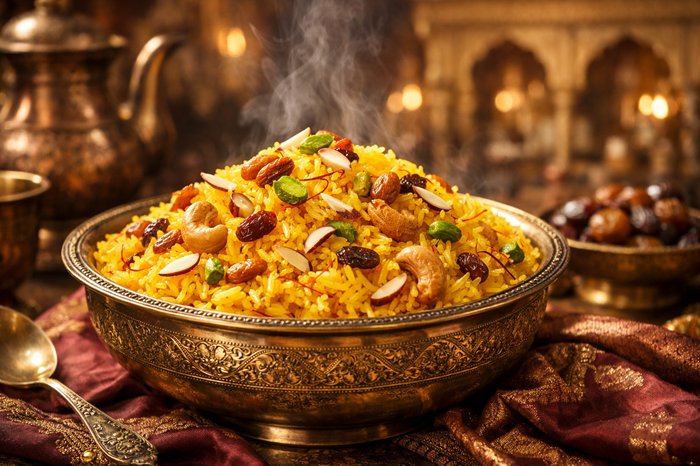
If you have ever attended a traditional feast or wedding, chances are you have come across a vibrant, fragrant sweet rice dish called Zarda. Known for its rich colour, delicate aroma, and indulgent taste, Zarda is more than just a dessert. It carries a deep cultural and historical legacy.
But where did Zarda actually come from, and how did it become a part of Indian cuisine? Let’s explore the origin of Zarda in India, its history, and why this royal sweet dish is still loved today.
What Is Zarda?
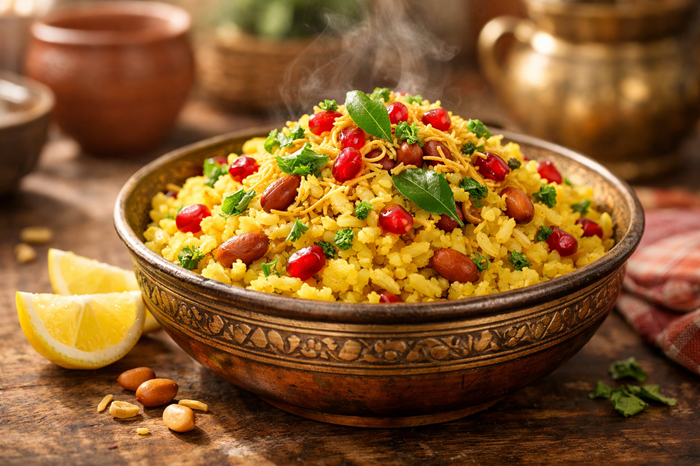
Zarda is a traditional sweet rice dish made with basmati rice, sugar, saffron, dry fruits, and aromatic spices. It originated during the Mughal era and became popular in India as part of royal and festive cuisine.
The Origin of Zarda in India
The origin of Zarda dates back to the Mughal period in India, when royal kitchens were known for creating rich and aromatic dishes.
The word “Zarda” comes from the Persian word “Zard,” meaning yellow, which refers to the dish’s signature golden colour. This colour traditionally comes from saffron or natural food colouring.
During the Mughal era, chefs experimented with combining long-grain basmati rice, sugar, ghee, and exotic spices to create a sweet dish that complemented rich meals. Zarda was often served as a dessert in royal feasts alongside other Mughlai delicacies.
Over time, this royal dish spread beyond palaces and became a part of Indian festive cuisine, especially in North India.
Why Zarda Became Popular in India
Zarda gained popularity not just because of its taste but also because of its strong cultural and festive association.
Royal Mughlai Influence
The Mughal empire introduced several rich dishes to Indian cuisine, and Zarda was one of them. Its luxurious ingredients made it a symbol of celebration and abundance.
Use of Premium Ingredients
Traditional Zarda is made using:
- Long grain basmati rice
- Saffron
- Sugar
- Ghee
- Dry fruits like almonds, cashews, and raisins
- Aromatic spices such as cardamom and cloves
These ingredients give Zarda its unique flavour and royal appeal.
Festive and Cultural Significance
Zarda is commonly prepared during:
- Weddings
- Festivals like Eid
- Special family gatherings
Its bright colour and sweet taste make it a perfect dish for celebrations.
What Makes Zarda Unique as a Sweet Dish
Zarda stands out from other Indian desserts because it combines the texture of rice with the richness of a sweet delicacy.
Aromatic Basmati Rice
The use of long-grain basmati rice gives Zarda a light, fluffy texture and enhances its fragrance.
Vibrant Appearance
The golden yellow colour of Zarda makes it visually appealing and festive.
Perfect Balance of Sweetness and Flavour
Zarda is not overly sweet. Instead, it offers a balanced flavour with hints of saffron, cardamom, and ghee.
Regional Variations of Zarda in India
As Zarda spread across India, different regions added their own twist to the dish.
- North India: Traditional saffron-flavoured Zarda with dry fruits
- Lucknow (Awadhi cuisine): Richer version with additional garnishing and aroma
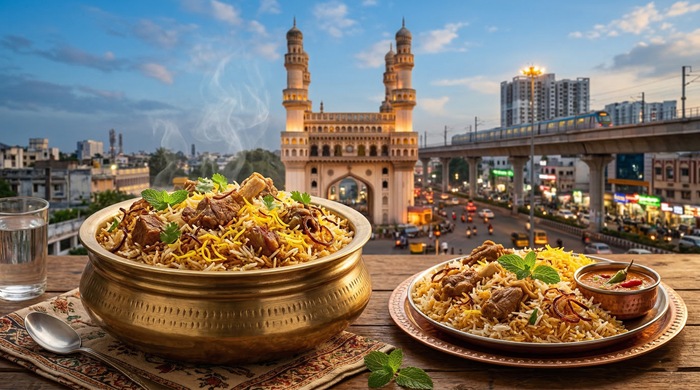
- Hyderabad: Sometimes served as part of festive meals along with biryani
Each variation keeps the essence of Zarda while adapting to local tastes.
Zarda vs Other Sweet Rice Dishes
Zarda is often compared with other sweet rice dishes, but it has its own identity.
- Unlike plain sweet rice, Zarda uses aromatic spices and saffron
- Compared to kheer, Zarda has a grainy texture instead of a creamy consistency
- It is closer to a royal dessert than a simple sweet dish
Why Zarda Is Still Popular Today
Even in modern times, Zarda continues to be a favourite dessert because of its tradition and taste.
- It connects people to heritage and Mughlai cuisine
- It is easy to prepare, yet looks rich and festive
- It pairs well with heavy meals like biryani and kebabs
Today, Zarda is served in homes, restaurants, and even at large events, keeping its legacy alive.
FAQs
What is Zarda made of?
Zarda is made using basmati rice, sugar, saffron, ghee, dry fruits, and aromatic spices like cardamom.
Why is Zarda yellow in colour?
Zarda gets its yellow colour from saffron or natural food colouring, which gives it a festive appearance.
Is Zarda an Indian dish?
Zarda has Persian origins but became popular in India during the Mughal era and is now a part of Indian cuisine.
When is Zarda usually served?
Zarda is commonly served during festivals, weddings, and special occasions.