Basmati rice is one of the most premium and widely consumed aromatic rice varieties in the world. Known for its long grain structure, distinctive aroma, and superior cooking performance, authentic Basmati rice has built a strong reputation across domestic and international markets.
In this comprehensive guide, we explore the origin of Basmati rice, its unique characteristics, popular Basmati rice varieties, health benefits, and how to identify authentic Basmati rice. If you are searching for detailed information about Basmati rice varieties, this article covers everything you need to know.
The Origin of Basmati Rice
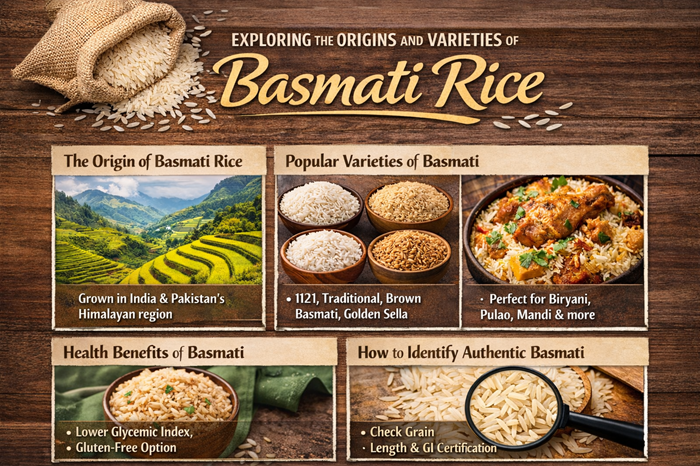
The word Basmati is derived from Sanskrit, meaning “full of aroma.” True Basmati rice originates from the fertile Indo-Gangetic plains, particularly in:
Punjab
Haryana
Uttarakhand
Himachal Pradesh
Pakistan
The Himalayan foothills provide the ideal climate, soil composition, and irrigation conditions required for cultivating authentic Basmati rice. These geographical conditions contribute to the natural aroma, grain length, and elongation properties that distinguish Basmati rice from other long-grain rice varieties.
Traditional Basmati rice holds Geographical Indication status. This certification ensures that only rice grown in designated regions can be marketed as authentic Basmati rice.
What Makes Basmati Rice Different from Other Rice?
Basmati rice stands apart from regular white rice and other long-grain rice types due to its unique physical and cooking characteristics.
1. Extra Long Grain Structure
Premium Basmati rice varieties, such as 1121 Basmati rice, are known for their exceptional grain length. When cooked, Basmati rice elongates up to twice its uncooked length without breaking.
2. Natural Aromatic Compound
Authentic Basmati rice contains a naturally occurring compound called 2-acetyl-1-pyrroline. This compound gives Basmati rice its signature fragrance.
3. Non-Sticky Texture
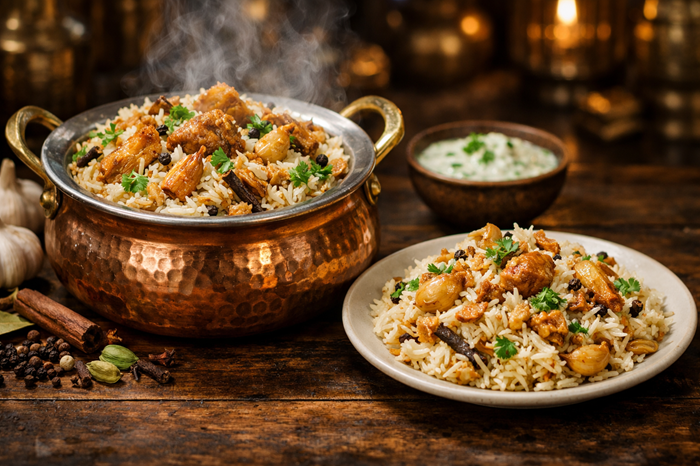
Unlike regular rice, Basmati rice remains fluffy and separate after cooking. This makes it ideal for biryani rice, pulao rice, and Middle Eastern rice dishes.
4. Ageing Improves Quality
Aged Basmati rice is considered superior in quality. Most premium Basmati rice is aged between 12 and 24 months to enhance aroma, cooking performance, and grain elongation.
Popular Varieties of Basmati Rice
1. 1121 Basmati Rice
1121 Basmati rice is one of the longest-grain Basmati rice varieties in the world. It is widely used for export and premium hospitality segments. This variety is highly preferred for biryani rice due to its extraordinary elongation.
2. Traditional Basmati Rice
Traditional Basmati rice is the original heritage variety known for its strong aroma and authentic taste. It has slightly shorter grains compared to 1121 Basmati rice but offers a richer fragrance.
3. Pusa Basmati Rice
Pusa Basmati rice was developed through agricultural research to improve yield while maintaining aroma and grain quality. It balances productivity and premium characteristics.
4. Brown Basmati Rice
Brown Basmati rice is a whole-grain version of white Basmati rice. It retains the bran layer, making it higher in fibre and nutrients. Brown Basmati rice is popular among health-conscious consumers.
5. Golden Sella Basmati Rice
Golden Sella Basmati rice is parboiled before milling. This processing technique improves grain strength and gives the rice a golden appearance. It is widely used in bulk cooking, catering, and international markets.
Basmati Rice in Global Cuisine
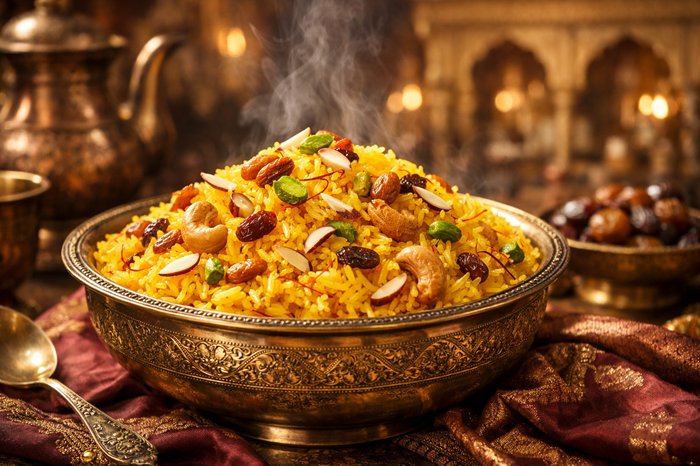
Basmati rice plays a central role in global cuisine. From Indian biryani rice to Middle Eastern mandi and kabsa, Basmati rice is the preferred choice due to its aroma and long-grain texture.
The demand for premium Basmati rice continues to grow in markets across the Middle East, Europe, and North America due to its quality and versatility.
Health Benefits of Basmati Rice
Many consumers search for healthier rice options. Basmati rice offers several nutritional advantages.
- Lower glycemic index compared to regular white rice
- Naturally gluten-free
- Low fat content
- Brown Basmati rice provides higher fibre
When consumed in balanced portions, Basmati rice can be part of a healthy and nutritious diet.
How to Identify Authentic Basmati Rice
With increasing global demand, identifying authentic Basmati rice is important for consumers and businesses.
Here are key indicators:
- Extra-long slender grains
- Uniform grain size
- Minimal broken grains
- Clear origin labelling
- Aged rice information
- Recognized certifications
High-quality Basmati rice varieties often mention grain length in millimetres. Longer grains typically indicate premium quality.
Why Basmati Rice Leads the Global Rice Market
Basmati rice is not just a staple food. It is a premium agricultural product and a major export commodity. Countries in South Asia dominate the global Basmati rice export market due to geographical advantage and expertise in cultivation.
The combination of aroma, elongation, texture, and heritage makes Basmati rice one of the most valuable rice varieties worldwide.
Frequently Asked Questions About Basmati Rice
1. What is Basmati rice?
Basmati rice is a premium long-grain aromatic rice variety grown primarily in specific regions of India and Pakistan. It is known for its fragrance, grain length, and non-sticky texture.
2. Which is the best variety of Basmati rice?
1121 Basmati rice is considered one of the best Basmati rice varieties due to its extra-long grain and superior elongation. However, traditional Basmati rice is preferred for its stronger aroma and authentic taste.
3. Is Basmati rice healthier than regular white rice?
Basmati rice generally has a lower glycemic index compared to regular white rice. Brown Basmati rice offers higher fibre and additional nutrients.
4. How can I identify authentic Basmati rice?
Authentic Basmati rice has long, slender grains, uniform size, minimal broken grains, and proper origin labelling. GI certification is an important authenticity marker.
5. Why is aged Basmati rice better?
Aged Basmati rice has reduced moisture content, improved aroma, better cooking performance, and superior grain elongation.