Biryani is more than a rice dish in India-it’s a shared memory. Found at weddings, festivals, street corners, and family tables, biryani connects people across regions and generations. Its aroma alone can stop conversations. But how did this iconic dish become such an integral part of Indian food culture? The answer lies in centuries of travel, adaptation, and local love.
Origins: A Journey from Persia to India
The roots of biryani trace back to Persian and Central Asian kitchens, where fragrant rice was cooked with meat and spices. When these culinary traditions reached the Indian subcontinent during medieval times, they met a land rich in spices, herbs, and diverse cooking techniques. Indian kitchens didn’t just adopt biryani-they transformed it.
What began as a royal dish meant for nobility slowly moved beyond palace walls, finding its way into regional households and community feasts.
The Mughal Influence: Refinement and Technique
During the Mughal era, biryani evolved into a carefully layered, slow-cooked preparation. Attention to detail mattered-long-grain rice, measured spices, sealed cooking methods, and perfect balance. This period shaped biryani as a dish of celebration and grandeur, setting the foundation for many styles we know today.
Regional Evolutions of Biryani
Hyderabadi Biryani: Bold and Aromatic
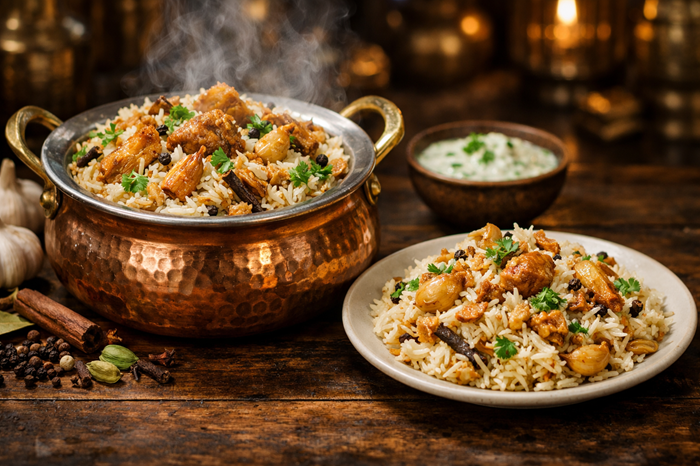
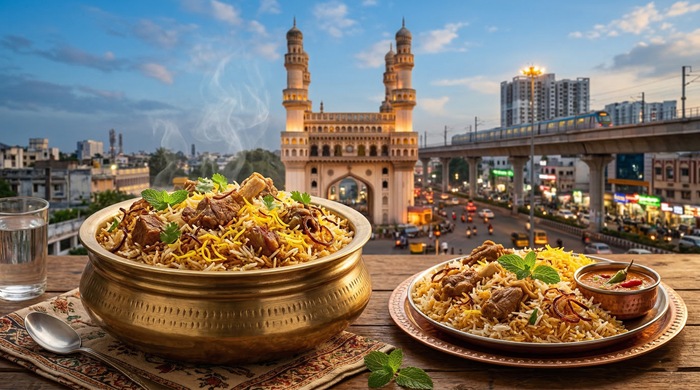
Hyderabad’s biryani is known for its dum cooking method, where raw marinated meat and rice are cooked together in a sealed pot. The result is rich, deeply infused flavours and perfectly cooked grains. It’s intense, spicy, and unapologetically indulgent.
Lucknowi (Awadhi) Biryani: Subtle and Elegant
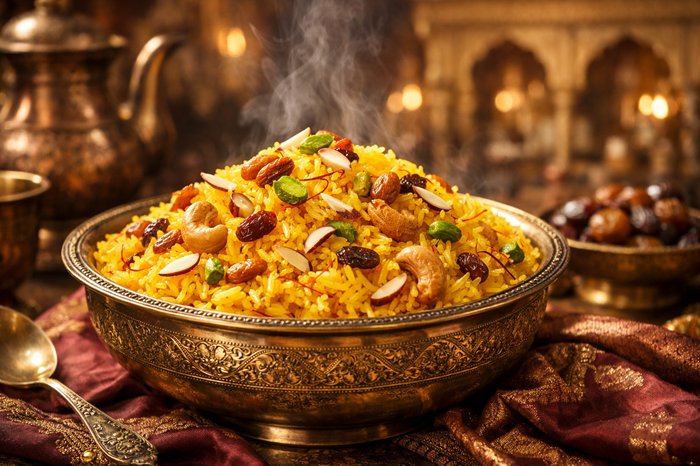
Lucknowi biryani takes a gentler approach. Meat and rice are cooked separately, then layered with aromatic spices like saffron and kewra. The flavours are delicate, refined, and balanced-reflecting the region’s culture of grace and sophistication.
Kolkata Biryani: Light with a Unique Twist
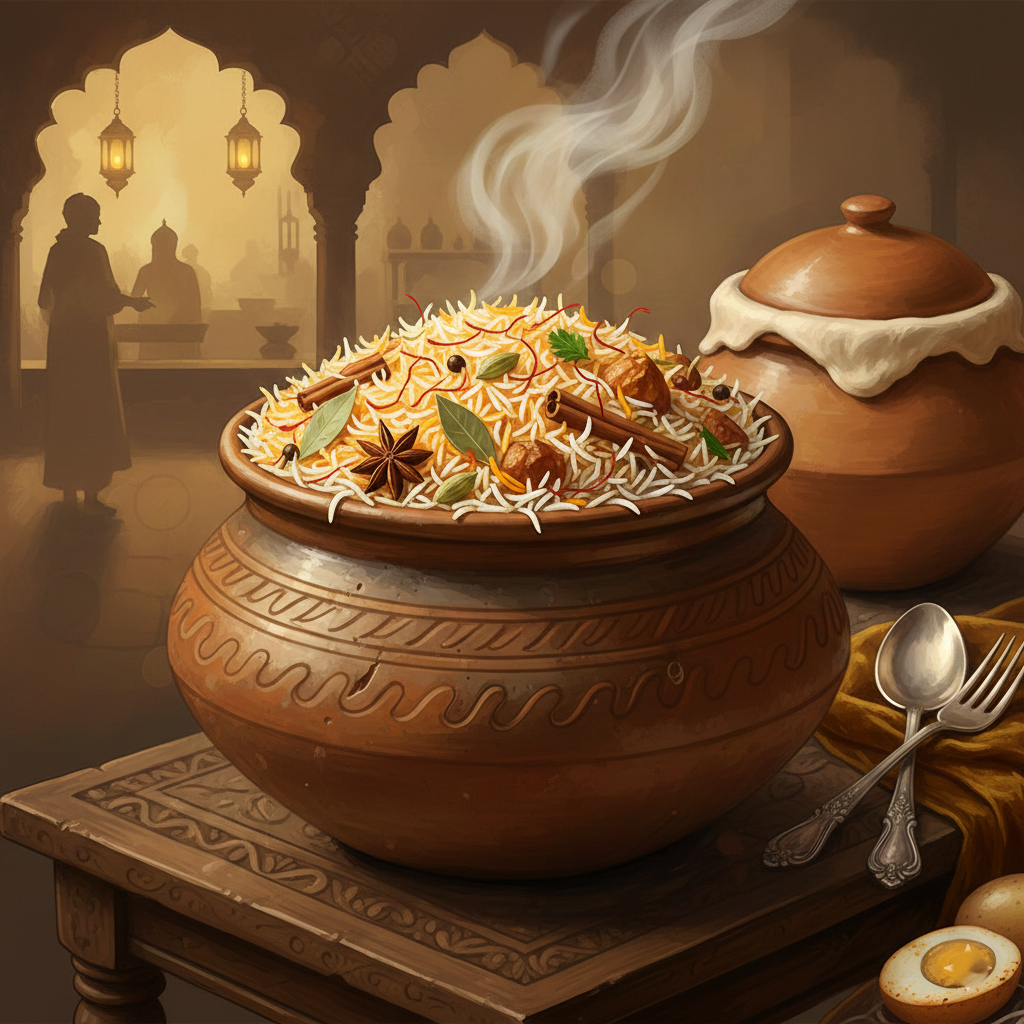
Kolkata biryani stands apart with the addition of potatoes and boiled eggs. Lighter on spices and slightly sweet in aroma, it emerged during colonial times and quickly became a local favourite. It proves how biryani adapts without losing its essence.
Biryani in Modern India
Today, biryani is everywhere-street vendors, cloud kitchens, fine-dining restaurants, and home kitchens. New interpretations continue to emerge, but the heart of biryani remains the same: layered flavours, patience in cooking, and joy in sharing.
From traditional recipes passed down through generations to modern innovations, biryani has become a true pan-India dish with countless identities.
Why Biryani Still Matters
Biryani survives trends because it’s rooted in emotion. It brings people together, marks celebrations, and often becomes the centrepiece of gatherings. Every region, family, and cook adds something personal-making each pot of biryani a story in itself.